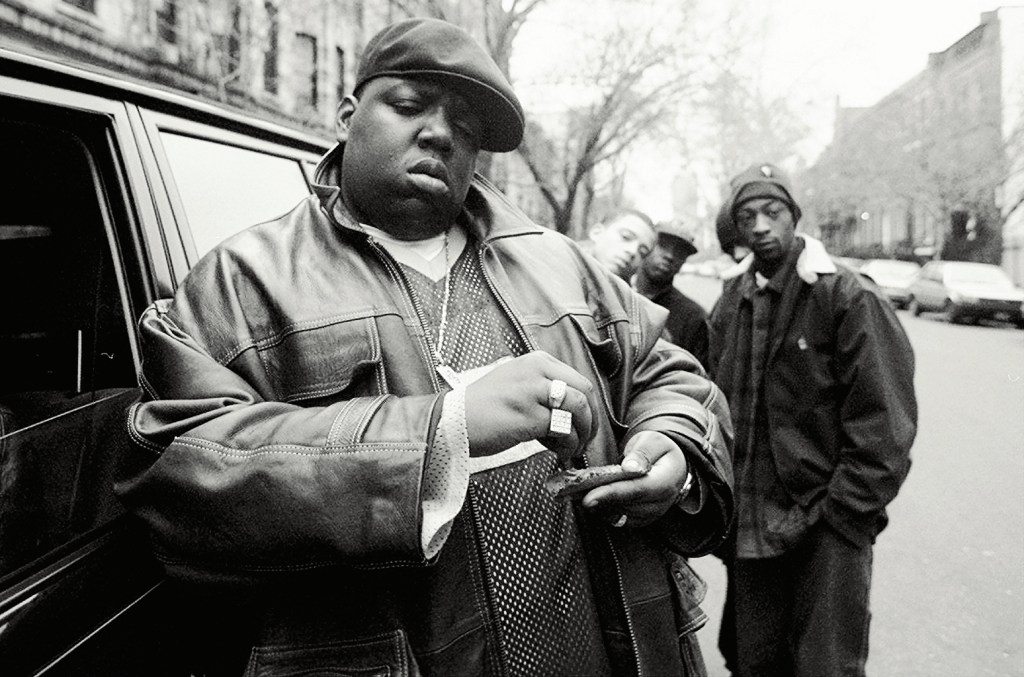
On March 9, 1997, the world lost one of hip-hop’s most influential voices when The Notorious B.I.G. was tragically shot and killed in Los Angeles at just 24 years old. Born Christopher Wallace in Brooklyn, New York, Biggie’s rise to fame in the mid-1990s was rapid and undeniable, powered by a voice, flow, and storytelling ability that would help define an entire era of hip-hop.
Biggie’s debut album, Ready to Die, released in 1994, quickly became a landmark record in rap history. The album showcased his ability to blend gritty street narratives with emotional vulnerability and mainstream appeal. Songs like Juicy and Big Poppa became instant classics, turning Biggie into one of the most recognizable figures in hip-hop.
His lyrical style was unmatched. Biggie had a rare talent for painting vivid pictures through his rhymes, telling stories of life in Brooklyn while balancing humor, swagger, and introspection. His effortless flow and commanding presence made him stand out even among the elite rappers of the time.
Tragically, Biggie’s life was cut short during a time of escalating tensions within the hip-hop world. In the early hours of March 9, 1997, he was fatally shot while leaving an industry party in Los Angeles. His death shocked the music world and remains one of the most infamous unsolved cases in music history.
Just weeks after his passing, Biggie’s second album, Life After Death, was released and debuted at number one on the charts. The project included massive hits like Hypnotize and cemented his legacy as one of the greatest rappers of all time.
Nearly three decades later, Biggie’s influence is still felt across hip-hop and popular music. His storytelling, charisma, and unmistakable voice helped shape the genre and inspire countless artists who followed.
Though his career lasted only a few short years, the impact of The Notorious B.I.G. remains timeless. On this day, fans around the world remember the man who helped change hip-hop forever.

 REVERB PRESS